
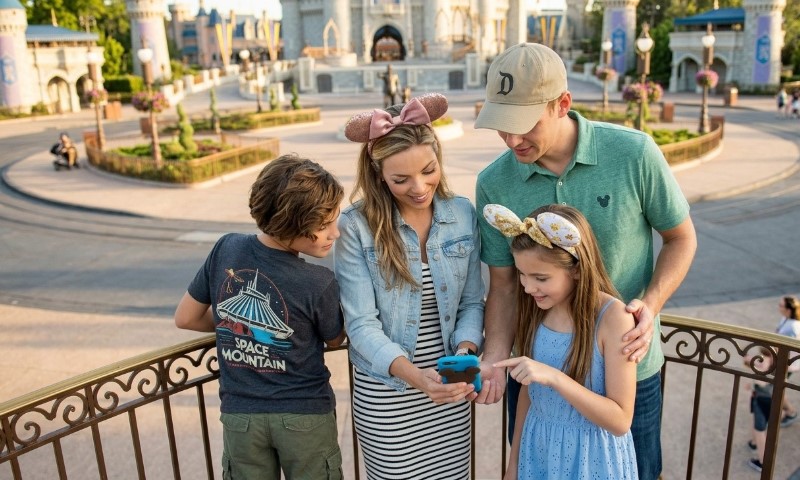
Everyone wants a budget Disney trip. Real savings come less through one secret hack and more through knowing which costs need attention.
A Disney trip can be planned carefully, but it will not become cheap.
Tickets set a high floor, while lodging, food, transportation, Lightning Lanes, Park Hopper, Memory Maker, and merchandise decide how far past that floor the budget goes.
Best results come when a family picks a few paid experiences that matter and skips extras bought only due to pressure.
So where should a budget-conscious family spend, and which Disney extras can they skip without hurting the trip?
Start With the Biggest Cost Drivers
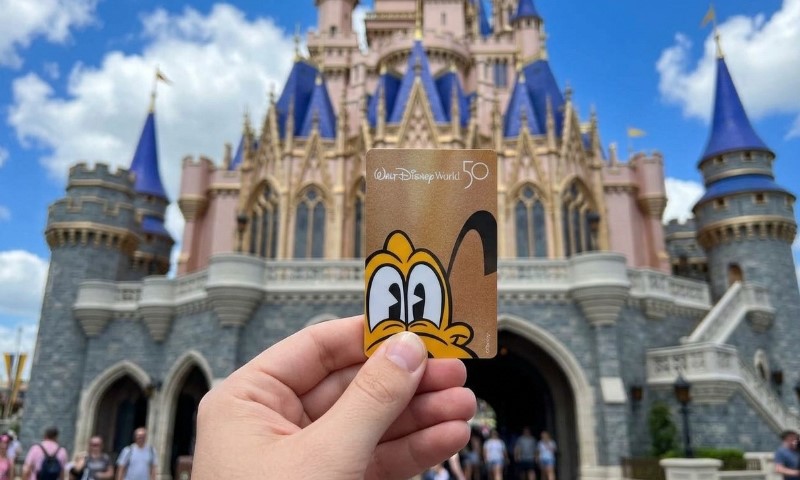
Before comparing hotels or snacks, focus on the costs that shape the whole trip. Park tickets and travel dates set the budget floor.
After those choices are made, every other category gets easier to plan.
Park Tickets
Tickets are an unavoidable cost, so small choices can affect the full trip budget.
Multi-day tickets often lower the daily ticket price, but extra park days can still raise total spending through meals, snacks, Lightning Lanes, parking, and merchandise.
Useful ticket math can look counterintuitive:
- A 3-day ticket was priced at $405 for one sample period.
- A 4-day ticket was priced at $435 for that same period.
- In that case, adding day four costs only $30 more.
An extra day can reduce rushing and may lower pressure to buy paid line access.
Still, fewer park days can save more when a family also avoids another day of food, snacks, souvenirs, and paid ride access. One family skipped Hollywood Studios for that exact reason.
Ticket prices vary heavily by date and length. One-day tickets can start at $119 plus tax, while Christmas dates can reach $184 per day.
Kids younger than three do not need tickets. Kids ages 3 to 9 usually cost only a few dollars less than adults.
Longer trips can reduce the daily ticket rate. A seven-day ticket can drop to around $83 per day, compared with a four-day ticket starting around $123 per day.
Lower daily cost should still be judged against total trip spending.
Myth: Cheapest tickets always mean the fewest park days. Sometimes one added day can reduce stress and pay line-skipping. Other times, skipping a park day saves far more.
Travel Dates
Dates affect hotel rates, ticket prices, crowds, and paid line-skipping pressure. Lower-demand periods can still exist, even though Disney rarely feels empty.
Budget-friendly timing often comes with trade-offs:
- Late August and early September can be among the cheapest times, but heat, humidity, afternoon rain, and hurricane risk matter.
- Mid-to-late January can be cheaper, but cooler weather and ride refurbishments can affect plans.
- January, February, September, and early November can bring room savings and shorter lines.
- November and early December can work well for first-timers, as long as Thanksgiving week is avoided.
Major holidays usually hurt a budget. Thanksgiving, Christmas, New Year’s, spring break, and peak event weekends tend to bring higher rates and heavier crowds.
Myth: Low season no longer exists. Crowds may be present all year, but Disney still uses special offers during softer booking windows, which shows that lower-demand periods still matter.
On-Site vs. Off-Site Is Not a Simple Answer
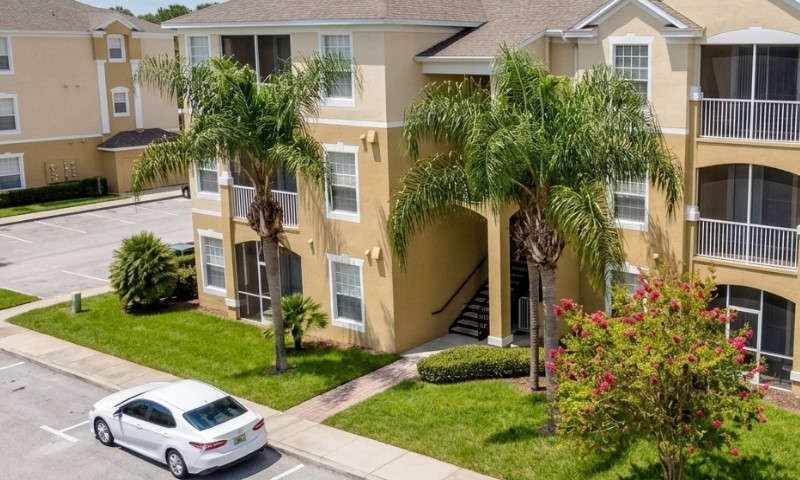
Hotel choice is one of the biggest Disney budget decisions, but the cheapest nightly rate does not always win.
Space, transportation, parking, food access, early entry, and convenience all affect the final value.
Staying Off-Site
Off-site hotels, condos, and rentals can be cheaper, especially for larger families.
Space and kitchen access can matter as much as nightly rate because breakfast, packed meals, and grocery snacks can cut daily spending.
Price checks need to include the full stay cost, not only the first number shown online. Taxes, resort fees, service fees, cleaning fees, parking, and transportation can change the answer.
Useful off-site numbers show both the upside and the catch:
- Kissimmee motels, about 10 to 15 minutes away, can work for budget travelers.
- Off-site motels may start around $50 plus tax per night, though deals like that are harder to find now.
- A 10-night Windsor Hills Airbnb costs about $2,017 total, or roughly $200 per night, for six people.
- That rental included three bedrooms, a full kitchen, a pool, a splash park, a playground, and other amenities.
Condos and houses can work especially well for bigger groups, grandparents, and families needing quiet space.
Kitchen access can also reduce park food spending without making the trip feel stripped down.
Myth: Off-site is always cheaper. A lower room rate can lose value after car rental, rideshares, Disney parking at $30 per day, gas, resort fees, shuttle limits, and extra travel time.
Staying On-Site
View this post on Instagram
Disney Value Resorts deserve a price check, not automatic rejection.
Included park transportation, 30-minute early park entry, earlier Lightning Lane booking, and earlier dining access can add value.
On-site pricing can still be high, so final daily math matters:
- A 2026 search found All-Star Sports at $1,157 total for a week-long trip for two people.
- That came to $83 per person per night.
- A room-and-six-day-ticket package costs $2,857, or $204 per person per night before food and airport transportation.
- After basic food and airport transportation, the Value Resort estimate reached about $249 per person per day.
Travelers who book Disney often forget that agent programs can also affect planning knowledge, supplier access, and commission opportunities.
For readers interested in the business side of Disney vacations, the Yeti Travel program for agents explains training, support, supplier access, and advisor benefits.
Disney resort guests can book Lightning Lanes seven days before check-in. Off-site guests can book three days before a park visit. Families chasing high-demand rides may value that timing advantage.
Discounts can change the on-site comparison. A 30% room special can bring All-Star Sports to around $145 per night.
Fort Wilderness can also be one of the cheapest on-property options at around $100 per night for guests with camper access, though heat, humidity, bugs, and internal transportation need attention.
Myth: On-site is always overpriced. With discounts and included transportation, the gap can shrink once off-site parking and car costs are added.
Disney Springs and Partner Hotels
Disney Springs and partner hotels can look like a middle option, but price, perks, and transportation need close review.
Some include Early Entry and free shuttles, but shuttle service may be less frequent than Disney resort transportation.
A direct comparison can be surprising:
- Drury Plaza Hotel Orlando at Disney Springs was priced at $2,965 for seven nights with six-day park tickets for two people in a November 2026 search.
- Disney’s All-Star Sports package was $2,857 for a similar room-and-ticket setup.
- Disney Springs access can still help guests who want nearby dining and shopping.
Myth: Partner hotels always give guests the best of both options. Some cost the same or more than Disney Value Resorts while offering less convenience.
Food is the Most Controllable Daily Expense
Food spending can swing widely at Disney. Tickets cost what they cost, but meals, snacks, drinks, and character dining depend much more on planning.
Bring Food Into the Parks
Food is one of the easiest categories to control because Disney allows guests to bring food and drinks into the parks.
That policy makes grocery snacks, simple meals, water bottles, and soft-sided coolers practical savings tools.
A park food plan works best when it covers basic needs and leaves room for a few fun treats:
- Counter-service restaurants can provide hot or cold water at no cost.
- Good packed items include fruit pouches, chip bags, cereal packs, Goldfish, juice boxes, granola bars, whole fruit, fruit gummies, and Uncrustables.
- Breakfast in the room can avoid a $30-plus pastry-and-coffee meal for a family of four.
- One 2015 off-site budget kept food at $20 per person per day by using supermarkets for breakfast and lunch, then eating dinner outside the parks when possible.
Kids may still want a Mickey-shaped treat, popcorn, or ice cream, so sandwiches and breakfast foods often protect the budget better than snack bags alone.
Myth: Guests have to eat every meal in the parks. A family can enjoy Disney food while skipping three full-price park meals a day.
Be Smart About Snacks
Disney snacks feel small, but repeat purchases can turn into a serious cost.
Epcot is a good example because snack-style eating can replace a meal or quietly become an expensive activity.
One Epcot snack day shows how quickly casual spending adds up:
- $39 for tacos and empanadas in Mexico
- $20 for three school breads and an apple cake in Norway
- $24 for two giant pretzels in Germany
- $37 for three gelatos in France
- $4.25 for a chocolate croissant
- $14 for two poutines in Canada
Club Cool soda samples at Epcot cost nothing, and a large baguette in the France section has been noted at under $4 with free jelly at the bakery.
Myth: Snacks are too small to matter. Frequent drinks, treats, and shared plates can become one of the easiest categories to underestimate.
Dining Plans and Character Meals
Dining plans only help when the credits match how a family actually eats. Picky kids, light eaters, skipped meals, and snack-heavy days can make a plan poor value.
Dining-plan math should focus on real habits:
- Compare meal types, snack credits, resort mug value, and likely out-of-pocket spending.
- Avoid paying for credits that will go unused or replace cheaper foods your family prefers.
- For picky kids, Uncrustables, fruit, juice boxes, and chips may make more sense than expensive meals left unfinished.
Character meals can be worth a planned splurge, especially outside paid park time. A late breakfast around 10:30 or 11:00 a.m. can cover breakfast and lunch.
Character breakfast pricing shows why planning matters.
Tusker House was listed at $52 per adult, Hollywood and Vine at $49, Chef Mickey’s at $59, ‘Ohana at $53, and Crystal Palace at $54.
Cinderella’s Castle breakfast can push $80 per adult. Character meals around $60 per adult can still feel worthwhile when treated as a main event rather than an impulse buy.
Myth: Free dining is automatically a great deal. It can work for families already planning sit-down meals, snacks, and drinks, but it can waste money for lighter eaters.
Transportation is always the Hidden Budget Category
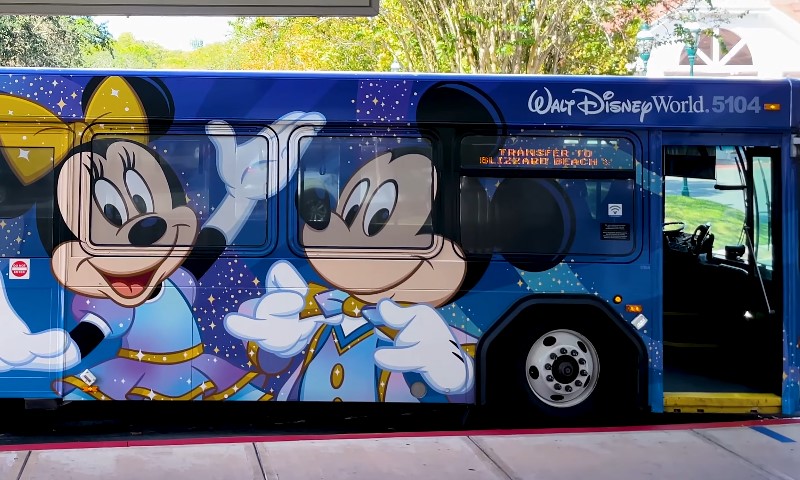
Transportation can erase lodging savings. A cheap off-site hotel needs to be measured against rental cars, rideshares, parking, gas, shuttle limits, and time.
On-site guests can use Disney transportation between resorts and parks, but airport transportation is still needed. Off-site guests may need a rental car, rideshares, hotel shuttles, or Disney parking.
Transportation costs can stack up fast:
- Disney’s Magical Express airport bus no longer operates.
- Mears shuttle was listed at $32 one way for two adults.
- One Uber or Lyft airport ride cost $43 one way.
- Off-site visitors may need up to $40 per day for Uber or Lyft.
- Disney park parking costs $30 per day.
- One 10-day car rental cost $396, with $90 in Disney parking for three park visits and $120 in gas.
- MEARS Connect was listed around $32 per adult round trip between Orlando airport and Disney hotels.
Myth: Cheapest hotel rate means cheapest trip. Full-trip math can favor a different hotel once transportation and parking are included.
FAQs
Summary
Disney budgeting works best when a family decides what matters before arrival.
Tickets will be expensive, but flexible categories decide how expensive the trip becomes.
Cost increases make that planning even more important: a 2015 off-site trip cost $109 per person per day, while a 2026 off-site budget estimate reached $206 to $226 per person per day.
A good budget should still allow a few chosen splurges.
One character meal, one must-do Single Pass, one iconic snack, or one special souvenir can feel better than scattered impulse spending.