

Managing your own home build can look like an easy place to save money. Skip the project manager, coordinate contractors yourself, and keep that fee in your construction budget.
Reality is more complicated.
Someone still needs to schedule trades, confirm deliveries, track permits, organize inspections, answer contractor questions, approve changes, check invoices, and fix problems when plans collide. If that person is you, management has not disappeared. Its cost has simply moved into your time, schedule, and risk exposure.
Poor planning can become especially expensive once construction begins.
Projects that start without proper alignment and dedicated oversight have been reported to run as much as 80% over budget and 20% over schedule.
Before deciding to manage everything yourself, ask a more useful question than “How much is the management fee?” How much could weak coordination cost if several small mistakes start affecting one another?
Scheduling Mistakes Create Bigger Delays
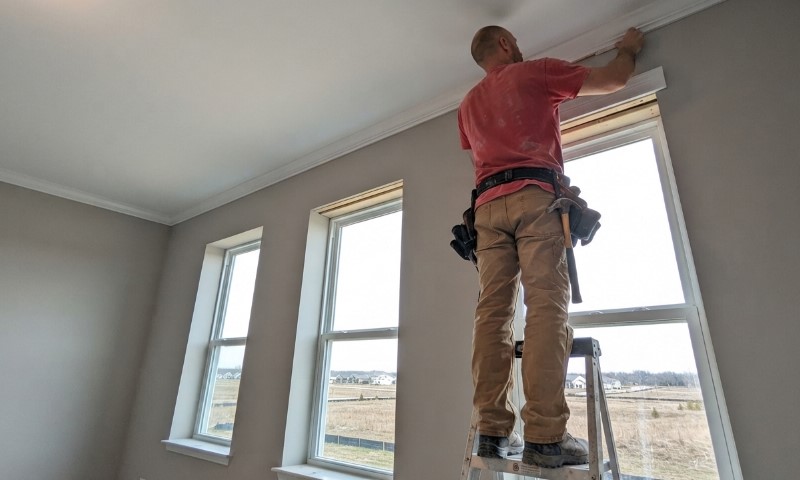
Construction works through dependencies. Framing may need to finish before plumbing and electrical work can proceed.
Construction method also affects how those dependencies play out on site.
Homeowners planning a steel-frame build can look at Elythera Homes’ steel-frame construction services, which include heavy-steel options for larger and multi-story homes as well as light-steel construction focused on efficient residential building.
Inspections may need approval before walls close. Flooring cannot always start until painting and other messy work is finished.
One late contractor can therefore affect several people.
Imagine a plumber arriving two days late. Electrical work may need to move. Drywall installation may lose its scheduled slot. Painting and flooring can then shift too. A two-day plumbing issue can eventually create a two-week setback.
Another documented scenario turned a 48-hour plumbing delay into an eight-day extension.
Build some breathing room into your schedule instead of planning every contractor back-to-back. Contractors often manage several jobs at once, so losing your original appointment can mean waiting days for another opening.
Schedule overruns can also create expenses that never appeared in your construction quote, including:
- extra temporary housing
- extended equipment or dumpster rentals
- additional loan interest
- contractor rescheduling charges
- extra childcare or pet boarding
- lost workdays needed for site visits and inspections
Keep a master calendar and add dependencies beside each task. Instead of writing only “drywall, Monday,” note what must be completed and approved before drywall crews arrive.
Your Time Is a Real Cost

Treat project coordination like a job before deciding that doing it yourself is free.
Preparation alone can require roughly 20 to 30 hours before active construction begins. Once contractors are working on site, coordination can consume another 15 to 25 hours each week.
That weekly commitment can continue for months. U.S. Census housing data analyzed by NAHB puts the average total timeline for single-family homes completed in 2025 at 8.8 months, including roughly 7.4 months of construction.
Managing your own build can therefore mean fitting recurring calls, site visits, approvals, and schedule checks into your normal life for much of a year.
Even a typical renovation may require 80 to 150 or more hours of homeowner coordination.
Those hours need to come out of somewhere. Paid work may get pushed aside. Business tasks may move into evenings. Weekends may become construction administration sessions instead of personal time.
A useful DIY exercise is to assign a value to your own time. If you expect to spend 120 hours managing a project and value your time at $50 per hour, you are effectively contributing $6,000 in unpaid management labor.
Hours are only part of that calculation. Consider what you may need to give up to create them:
- Lost billable or overtime hours can turn DIY management into a measurable income loss.
- Repeated site visits can create travel expenses and interruptions during your normal workday.
- Evening calls, supplier problems, and weekend scheduling can take away personal time you expected to protect.
Keeping a simple time log during planning can help you see the real workload before construction becomes demanding.
Poor Trade Coordination Leads to Rework

Individual contractors can do excellent work and still create an expensive problem.
Picture an electrician installing kitchen outlets according to an earlier layout. A revised cabinet plan later reaches the cabinet installer, who discovers several outlets now conflict with the cabinetry.
Electrician did the assigned work correctly. Cabinet installer has the current plan. Homeowner still ends up paying to solve the conflict.
Extra costs may include demolition, new materials, additional labor, change orders, inspection delays, and another visit by the electrician.
Material-ordering mistakes alone can cost roughly $2,000 to $5,000 per incident. Damage caused as one trade works around another can add around $500 to $2,000 per incident.
Costs can escalate quickly once several coordination failures happen during one job.
An analysis covering 359 projects found that direct rework costs alone often reached about 5% of total construction costs.
Even though individual home projects can vary considerably, that figure shows why preventing a mistake is usually much cheaper than correcting completed work.
In one bathroom renovation example, a project planned at $45,000 and four weeks eventually reached $67,000 and 11 weeks, with coordination issues contributing thousands of dollars in added work.
Protect yourself by reviewing upcoming work before each contractor arrives.
Ask three questions:
- What does this trade need completed before work starts?
- Could today’s work interfere with another contractor later?
- Which plan, drawing, or specification should everyone use?
A ten-minute coordination check can be much cheaper than opening a finished wall to correct a mistake.
Communication Problems Add Hidden Costs

Home construction generates a surprising amount of information.
Contractors may text you. Suppliers may email. Design changes may arrive as PDFs. Measurements may be discussed during site visits. Pricing may appear in separate invoices and change orders.
Problems begin when important details live in several places.
One contractor may use an updated drawing while another still has an older version. A supplier may receive a revised dimension that never reaches the installer. A verbal change discussed on site may later become a disagreement about price.
Small communication failures can create large bills. A problem that could have been resolved during a five-minute conversation can cost thousands once incorrect work is installed.
Avoid managing critical decisions through memory alone.
Create one project folder and organize it around a few practical categories such as plans, contracts, invoices, product specifications, approvals, inspections, and change orders. Give files clear dates or version numbers so everyone can identify the current document.
Written confirmation matters most when money or scope changes. After an important site conversation, send a short written recap covering what changed, the expected cost, and who will complete the work.
That habit gives you a record if disagreements appear later.
How to Reduce the Risk
DIY management works much better when information is organized before contractors need it.
Start with one master schedule. List each trade, planned start date, expected completion date, and prerequisites. Update it whenever a delay affects later work instead of assuming contractors will automatically adjust.
Keep one current set of drawings and specifications. Archive older versions so nobody accidentally treats them as active plans.
Track spending separately too. Compare your original budget against invoices, deposits, approved changes, and money still committed but not yet paid.
A simple weekly review can focus on four questions:
- What work is happening during the next two weeks?
- Which decisions must be made before that work begins?
- Which materials need to arrive first?
- Which inspections or approvals could stop progress?
Centralizing information can prevent many coordination mistakes. Schedules, drawings, responsibilities, approvals, contractor messages, and change records should all be easy to locate in one system.
A global survey of 1,275 construction leaders found an average of 11.5 hours per week was spent looking for and analyzing data, while 62% of collected and analyzed data was not used for decision-making.
A homeowner does not need enterprise software, but one organized location for current plans, costs, approvals, and schedules can cut down on the same basic problem.
Think of it as your project control center.
Even a shared cloud folder combined with a well-maintained spreadsheet can be more effective than scattered texts, paper notes, and email chains.
FAQs
Summary
Managing your own build can reduce a visible project-management fee, but it does not eliminate management work.
Time, rework, delays, financing expenses, rushed decisions, and communication mistakes can all replace that visible fee with costs that are harder to predict.
Estimated hidden DIY coordination costs for a typical kitchen renovation can reach roughly $14,000 to $21,000 once time, mistakes, and delay-related expenses are counted. Estimated professional coordination fees for a comparable project may fall around $3,000 to $6,000.
Saving money is still possible. Best results usually come when you calculate the cost of managing the work, not just the fee you avoided.