
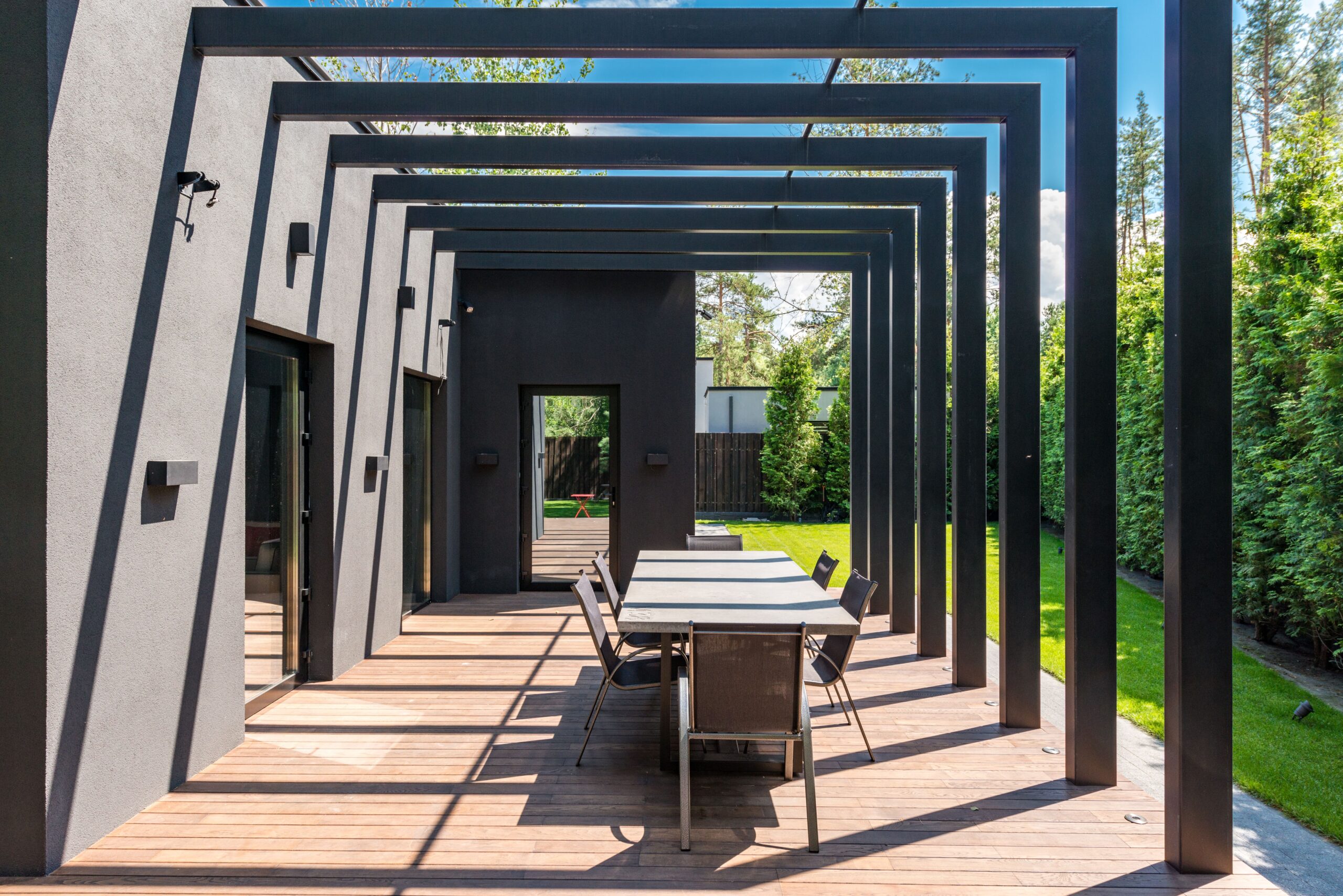
A backyard does not need a dramatic makeover to feel different. Often, the transformation comes from one clear decision: give the space a job, then design around how people actually move, sit, eat, grow things, and shelter from the weather.
That is why current backyard design trends are moving beyond decorative planting and matching patio furniture. A well-planned boundary, such as composite balustrades around a raised deck, can make a change in level feel safer and more finished without taking over the garden. Elsewhere, a rain garden, a shaded seating corner, or a deliberately informal planting bed may do more for daily enjoyment than an expensive focal point.
This guide looks at the ideas with staying power: outdoor rooms, layered planting, water-conscious surfaces, discreet lighting, and spaces that can change function through the day. The aim is not to copy a showroom. It is to make an ordinary backyard feel intentional.
Outdoor rooms that are not just patios
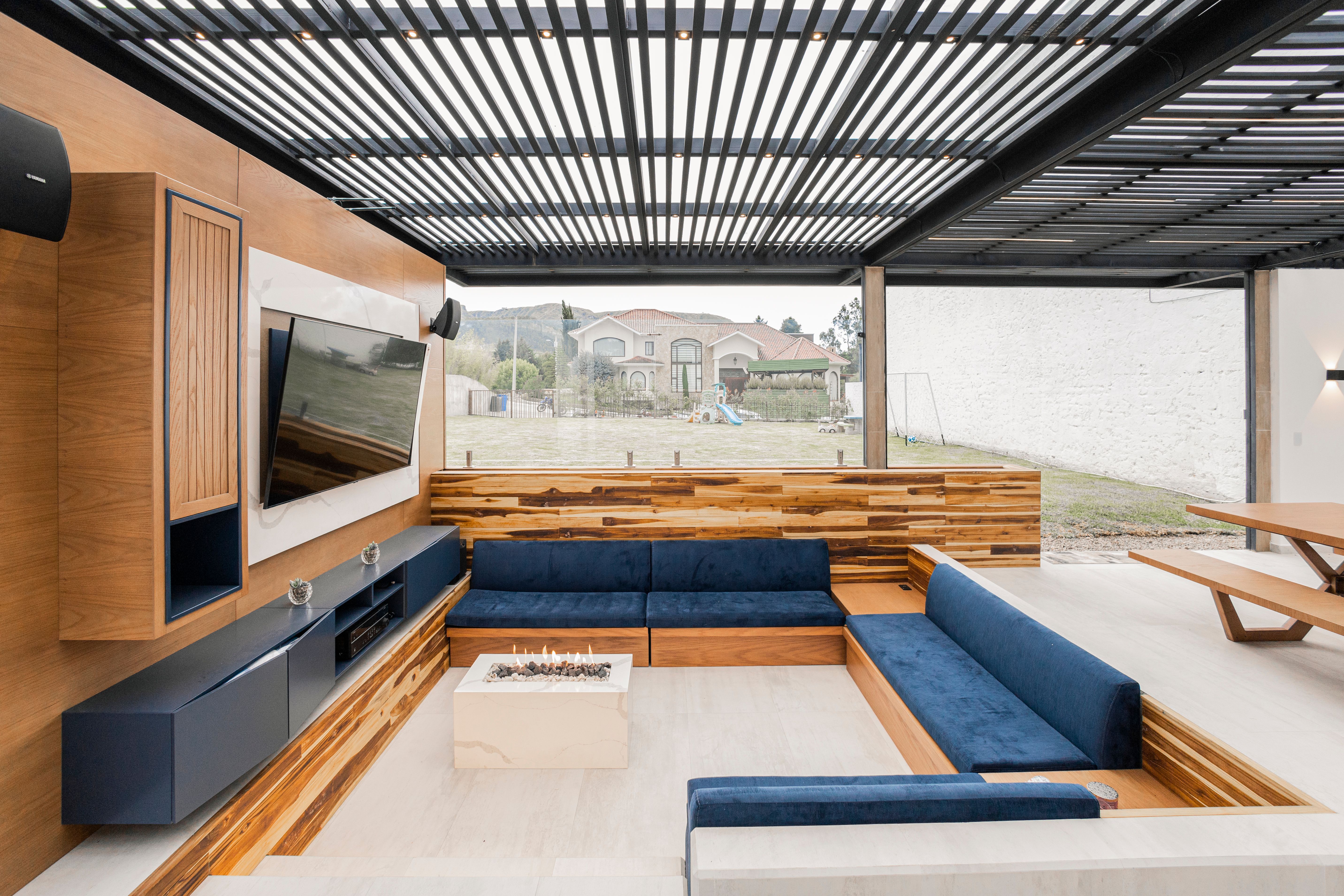
The most noticeable shift in backyard planning is the move from “a patio in the garden” to a sequence of outdoor rooms. A dining zone near the kitchen, a quieter lounge farther from the house, and a planted passage between them can make the same square footage feel considerably larger.
The trick is not to build walls everywhere. A change in paving, a pergola, a hedge, a low planter, or a difference in floor level can signal that one activity has ended and another has begun. In a small backyard, even two zones may be enough:
- A hard-wearing area for meals, deliveries, and everyday movement.
- A softer corner for reading, conversation, container gardening, or watching wildlife.
- A route between the two that remains clear rather than being filled with furniture.
I would resist the temptation to furnish every available metre. Empty space is not wasted space outdoors; it is what lets the garden breathe and gives children, pets, guests, and sunlight somewhere to go. Measure the circulation route before buying the large sofa.
Soft structure: planting as architecture
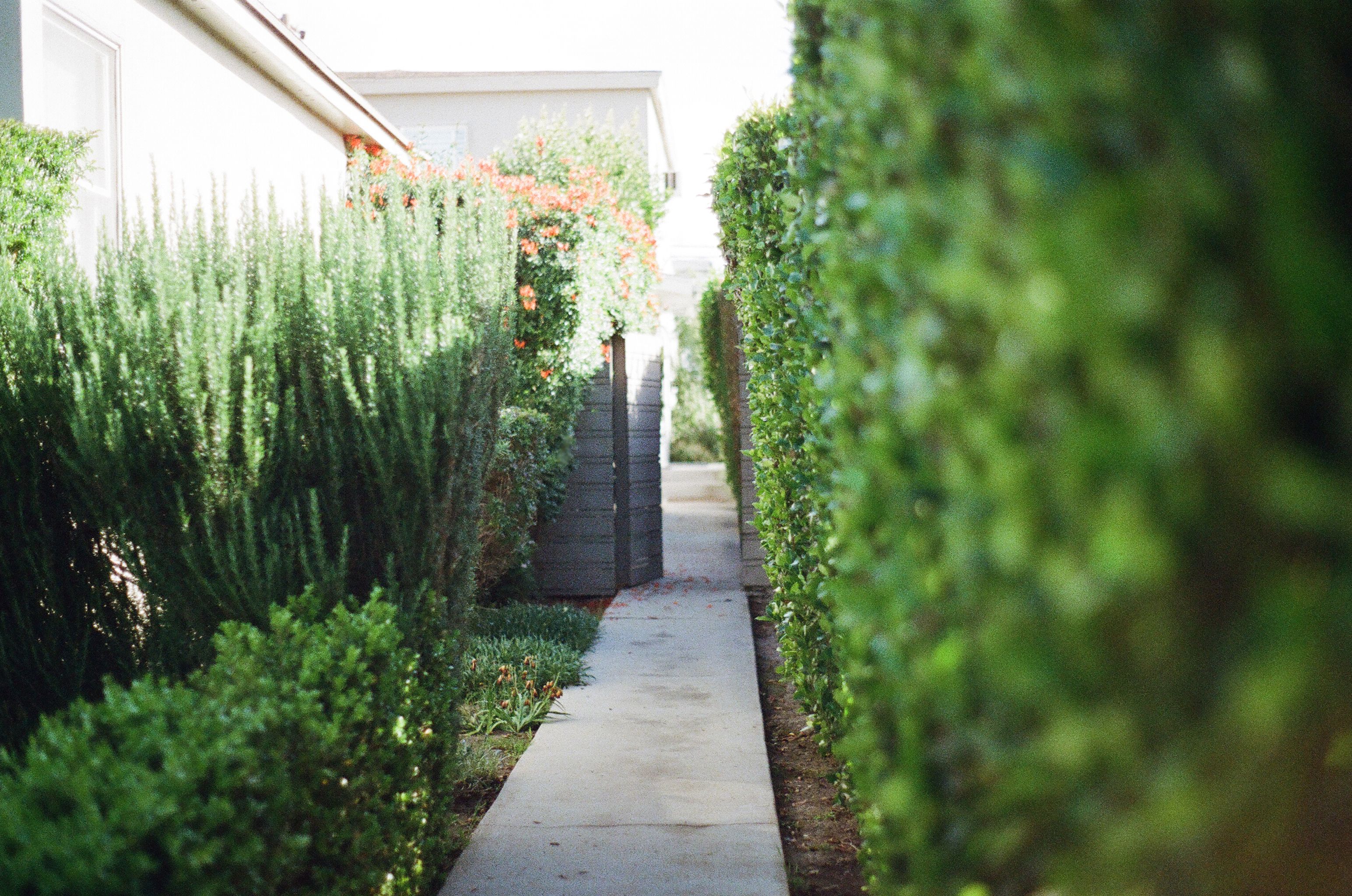
Planting is increasingly being used to create the structure that a fence or wall would otherwise provide. Repeated shrubs, ornamental grasses, multi-stem trees, and evergreen forms can define edges while keeping the view porous.
This approach is more forgiving than a garden made from isolated feature plants. Repetition gives the eye a rhythm, while different heights create privacy without producing a solid green barrier. The planting can also respond to the conditions rather than forcing every corner to look identical.
The Royal Horticultural Society’s sustainable planting guidance groups plants by conditions such as shade, soil type, drought-prone locations, and pollinator value. That is a more useful starting point than choosing plants purely because they look attractive in a photograph. A plant that suits the soil and aspect generally asks less of the gardener after the first season.
For a more coherent border, build in layers:
- Upper layer: a tree, tall shrub, or climber that gives height and seasonal change.
- Middle layer: flowering shrubs and structural perennials that hold the border together.
- Lower layer: ground cover, bulbs, grasses, or low perennials that reduce exposed soil.
- Edge layer: plants that soften paving and guide the eye along paths.
Water-aware surfaces and rain gardens
One of the least glamorous but most consequential backyard trends is designing for where rain goes. A large sealed patio or path can send water toward a drain, a neighbour’s property, or a place where puddles become a recurring nuisance. The better question is not simply “Which paving looks good?” but “Where should water go when the weather changes?”
The U.S. Environmental Protection Agency describes permeable pavement as a surface that allows water to move into underlying gravel and soil, while rain gardens collect runoff in a planted depression so it can soak away or be managed through drainage. These are not interchangeable solutions: ground conditions, slope, local rainfall, utilities, and construction quality all matter.
Useful water-aware moves include:
- Keeping some planting beds lower than adjacent paving so they can receive runoff.
- Using permeable paving where it is suitable for the intended foot traffic.
- Directing downpipes toward a planted or storage solution instead of concentrating water at one hard edge.
- Protecting mature trees and existing soil before adding new hard surfaces.
The EPA’s overview of green infrastructure types is useful because it explains the different jobs performed by rain gardens, swales, permeable pavement, rainwater harvesting, and trees. A beautiful surface is still a poor design choice if it creates a drainage problem that has to be corrected later.
Fire, shade, and the evening garden
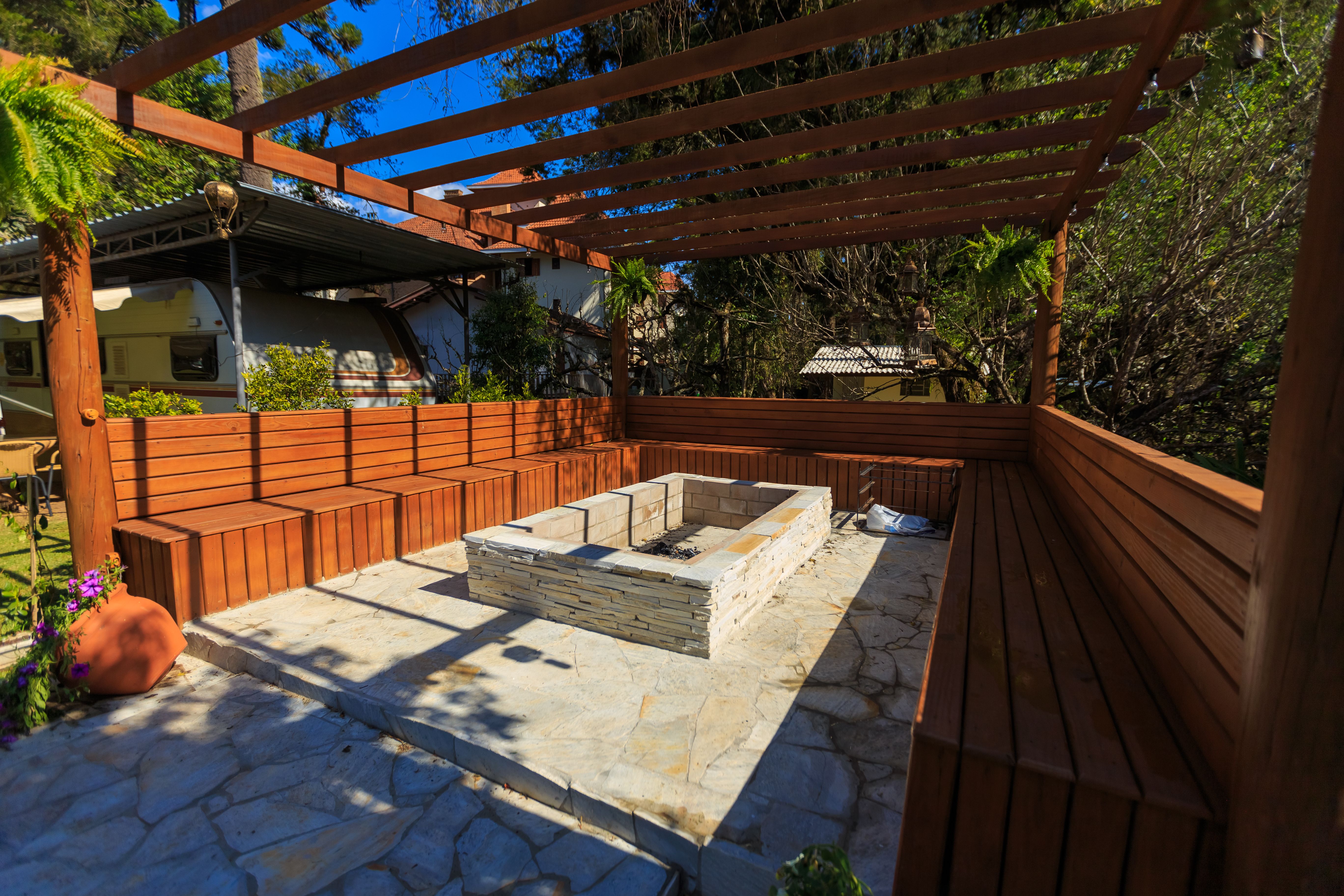
Backyards are being designed for longer use across the day, not just for sunny lunchtime photographs. Shade is becoming a core planning element: a pergola with a deciduous climber, a retractable canopy, a tree positioned west of the seating area, or a simple umbrella can change whether a space is usable in summer.
Evening design is following the same practical logic. A fire pit or outdoor heater can become a social anchor, but it should not be treated as the entire plan. The important decisions are where smoke travels, how people approach the seating, whether nearby surfaces and planting are appropriate, and how the area will be used when the fire is not lit.
Lighting should be restrained. Low-level path lights, a warm light near steps, and a few carefully aimed fixtures can preserve depth and make movement safer. Flooding the whole backyard with bright light removes the contrast that makes planting interesting and can be disruptive to nocturnal wildlife. The most successful lighting often disappears as a fitting and appears as a gentle line of visibility.
Wildlife-friendly design without the messy stereotype
Wildlife gardening is no longer being treated as the opposite of a designed garden. The RHS recommends combining habitat features such as hedges, ponds, long grass, flowering plants, and shelter with deliberate garden management. In other words, “wild” can be planned.
That distinction matters. A garden can have a crisp terrace and still contain a log pile behind a shed, a berrying shrub, a shallow water source, or a small area that is cut less often. The RHS wildlife guidance notes that hedges provide nesting opportunities and connective cover, while water and flowering plants support a wider range of garden life.
There is also a reasonable opposing view: some people do not want an untidy-looking garden, and a completely hands-off approach can create problems with access, visibility, or invasive growth. RHS Senior Wildlife Specialist Helen Bostock makes the point that “beautiful but wild” does not require a single aesthetic or a native-only planting rule. I agree. The practical answer is to decide which areas are formal and which are allowed to be more generous.
A simple division might look like this:
- High-use zone: neat paving, clipped edges, clear steps, and furniture that can be moved.
- Transition zone: mixed shrubs, grasses, climbers, and softer path edges.
- Habitat zone: less frequent mowing, fallen timber, dense planting, or a small pond where conditions allow.
Materials that make maintenance easier
Material choice is becoming less about matching every surface and more about asking how it will age. Timber, stone, brick, metal, composite materials, and concrete each behave differently in sun, rain, frost, shade, and heavy use. The right choice depends on exposure and maintenance tolerance, not only on colour.
A useful palette usually has a primary surface, a secondary accent, and a material that repeats in smaller details. Repeating one finish on a step edge, planter trim, or seat can make a budget-conscious design feel deliberate. Conversely, adding too many finishes often makes an ordinary backyard look busy rather than considered.
Maintenance should be planned as part of the design:
- Leave access to drains, taps, storage, and the backs of borders.
- Choose planting that can be reached without stepping into deep beds.
- Avoid placing fallen-leaf traps directly beside narrow door thresholds.
- Use furniture that can be moved or covered instead of designing around pieces that remain outside all year.
My view is that the most convincing contemporary gardens are not the ones with the newest materials. They are the ones where the maintenance route has been thought through before the final surface is installed.
A practical planning matrix
The table below compares common design directions by the problem they solve. Notice that no single trend does everything; the strongest schemes usually combine two or three.
| Design direction | Best suited to | Main benefit | Check before committing |
|---|---|---|---|
| Outdoor rooms | Homes used for dining, relaxing, or entertaining | Clarifies movement and gives each area a purpose | Furniture scale, shade, and access to the house |
| Layered planting | Gardens needing privacy or stronger structure | Creates depth without relying on solid screening | Soil, aspect, mature plant size, and pruning access |
| Rain gardens and permeable surfaces | Sites with runoff, puddling, or large hard areas | Slows or redirects water while adding planting interest | Drainage, slope, utilities, and local installation guidance |
| Fire and shade zones | Backyards used from afternoon into evening | Extends the useful hours of the space | Smoke, fire safety, wind, glare, and storage |
| Wildlife pockets | Any garden with room for mixed habitat | Adds seasonal life and ecological variety | Visibility, maintenance boundaries, and water access |
Frequently Asked Questions
Design for the ordinary Tuesday
A backyard proves its design on an ordinary Tuesday, not only when it is photographed after a renovation. Can someone carry food from the kitchen without crossing a planting bed? Is there somewhere to sit when the sun moves? Does rain have a destination? Can the border be maintained without balancing on the paving?
The most durable trends answer those questions quietly. They make outdoor living easier, give plants the conditions they need, and allow a garden to look better as it settles in. Start with the route, the shade, and the water. The style will follow more naturally than it does from a shopping list.